

Garage door spring repair is the process of replacing the high-tension springs that lift and lower your garage door. When a spring weakens or breaks, the door becomes heavy, unbalanced, and unsafe to operate. Acting on the issue quickly protects the rest of the system, keeps your home secure, and prevents a small problem from turning into a larger repair. Understanding how the repair works and why timing matters helps you make informed decisions when something goes wrong with your garage door.
What Garage Door Springs Actually Do
Every garage door system relies on springs to handle the heavy lifting. While the opener gets most of the credit, the springs do the real work. They store mechanical energy through tight winding or stretching, then release that energy in a controlled way to raise the door and counterbalance its weight on the way down.
Without functioning springs, your garage door becomes nearly impossible to lift safely, even with an automatic opener helping. A standard residential door can weigh anywhere from 150 to over 400 pounds, and the springs carry almost all of that load. Once a spring loses tension or breaks, the entire system shifts out of balance and the door no longer moves the way it should. This imbalance is often the first sign that the spring system has reached the end of its service life.
Common Signs Your Garage Door Spring Needs Repair
Most spring problems give off clear warning signs before complete failure. One of the most recognizable is a loud snapping or popping sound coming from the garage, often described as similar to a firework. This usually signals that a spring has broken under tension.
Other indicators include a door that feels unusually heavy when you try to lift it manually, uneven movement during opening or closing, visible gaps in the spring coil, or an opener that strains or fails to lift the door entirely. You may also notice the door slamming down faster than usual or stopping partway through its travel. Some homeowners report a slight jerking motion or hesitation right at the start of the lift, which often points to weakening tension. If your garage door starts behaving differently from how it normally operates, the springs are often the first place a professional will look.
How the Garage Door Spring Repair Process Works
A professional garage door spring repair follows a careful, step-by-step process designed to protect both the technician and your property. The visit typically begins with a full system inspection to identify which spring has failed, whether other components have been affected, and whether the door is still properly balanced.
Once the issue is confirmed, the technician safely releases any remaining tension from the damaged spring. This is one of the most critical parts of the job, since springs hold significant force even after they appear broken. The damaged spring is then removed, and a new replacement spring is installed and wound to the correct tension based on the weight and size of your door.
After installation, the technician performs balance testing to confirm the door lifts smoothly and stays in place when raised halfway. Final calibration may include adjusting opener force settings, lubricating moving parts, and verifying that cables and rollers are still functioning correctly.
Why Timing Is Critical With Spring Repair
Delaying spring repair often leads to bigger problems across the rest of the garage door system. When a spring fails, the opener is forced to compensate by working harder than it was designed to. Over time, this added strain wears down the motor, gears, and drive components, leading to opener failure that could have been avoided.
A failing spring also places extra stress on the cables, rollers, and tracks. Cables can begin to fray, rollers can wear unevenly, and tracks can shift out of alignment. What starts as a single spring issue can quickly turn into a multi-component repair if the system continues to operate under unbalanced conditions.
Beyond the mechanical concerns, there is a real safety risk involved. A garage door with a compromised spring can fall unexpectedly, creating a hazard for anyone or anything underneath it. Addressing the issue early protects your family, your vehicles, and your investment in the entire garage door system.
Torsion Springs vs Extension Springs and Why It Matters
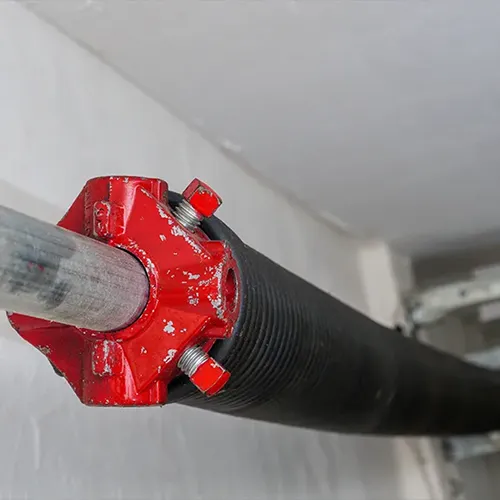
Garage doors typically use one of two spring types, and identifying the correct system is an important part of any repair. Torsion springs are mounted horizontally above the garage door opening and operate by twisting to store and release energy. They are common on heavier residential doors and tend to offer smoother, more controlled movement.
Extension springs run along the horizontal tracks on either side of the door and stretch to provide lifting power. They are more often found on lighter doors and older systems. Each type requires different tools, hardware, and installation techniques. Using the wrong replacement can lead to poor performance, premature failure, or unsafe operation. A trained technician will identify your spring system during inspection and select the correct replacement based on door weight, size, and daily usage demands.
Why Professional Repair Outperforms DIY Attempts
Garage door spring repair is one of the most dangerous DIY projects a homeowner can attempt. The stored energy in a wound torsion spring is significant, and a sudden release of that tension can cause serious injury. Specialized winding bars, proper protective equipment, and trained technique are required to handle the process safely.
Beyond the safety concerns, DIY repairs often rely on basic, low-cycle springs from general retail stores. These standard parts wear out quickly and lead to repeat repairs within just a few years. Professional service uses higher-cycle, powder-coated springs designed for long-term durability and consistent performance.
This is where Reveille Garage Door Service stands apart. As a licensed garage door company, the team focuses on accurate diagnostics, professional installation methods, and upgraded components rather than the standard parts found in most basic repair work.
How Long Garage Door Spring Repair Takes
Most standard residential spring repairs take between one and two hours to complete. This timeframe covers inspection, tension release, removal, installation, balance testing, and final calibration. The actual duration can vary depending on whether your door uses a single spring or a dual-spring system and the condition of the surrounding components.
Dual-spring systems often require both springs to be replaced together, even if only one has failed. This ensures balanced lifting force and prevents the second spring from failing shortly after. While this can extend the repair time slightly, it provides a more reliable long-term result and helps avoid an unexpected service call in the months that follow.
What to Expect After Garage Door Spring Repair
Once the repair is complete, your garage door should operate noticeably smoother, quieter, and more consistently than before. The opener will work less aggressively, the door will travel evenly along its tracks, and the system will feel properly balanced when tested manually.
To extend the lifespan of your new springs, occasional maintenance goes a long way. Lubricating the springs and other moving parts every few months helps reduce friction and wear. Scheduling periodic professional tune-ups keeps the entire system aligned and catches small issues before they turn into another major repair. Consistent care also helps preserve the warranty coverage that comes with your new components.
Frequently Asked Questions
How long do garage door springs typically last?
Most standard garage door springs are rated for around 10,000 cycles, which usually translates to about seven to nine years of average use. Higher-cycle springs, like the powder-coated upgrades used in professional service, can last significantly longer with proper maintenance.
Should both springs be replaced if only one breaks?
Yes, replacing both springs at the same time is the recommended approach for dual-spring systems. Since both springs share the same wear cycle, the second one is typically close to failure when the first one breaks.
Is it safe to use a garage door with a broken spring?
No, operating a garage door with a broken spring is unsafe and can damage the rest of the system. The opener is not designed to lift the full weight of the door on its own, and the door itself can fall unexpectedly.
Can a garage door spring be repaired or does it need to be replaced?
Garage door springs cannot be safely repaired once they have failed. The metal weakens over time and through repeated cycles, so replacement is the only reliable solution.
Schedule Garage Door Spring Repair With Reveille Garage Door Service
When your garage door springs start showing signs of wear, professional service makes all the difference. Reveille Garage Door Service is a licensed garage door company serving homeowners across Southern California, Texas, and nearby areas. The team brings more than ten years of hands-on industry experience, uses higher-cycle powder-coated springs built for long-term performance, and stands behind every repair with extended warranty protection. Reach out to Reveille Garage Door Service today and have your garage door inspected by professionals committed to doing the job right the first time.